Optimal Timing for Livestock Fence Installation
Understanding the optimal timing for livestock fence installations is crucial for ensuring durability and effectiveness. The best time generally depends on weather conditions, livestock behavior, and ground conditions, which can vary seasonally. Proper timing can prevent delays and reduce the risk of fence damage.
Spring offers moderate weather and softer ground, making fence installation easier and faster, with less risk of equipment getting stuck.
Summer provides longer daylight hours, but high temperatures can cause fatigue for workers and livestock, requiring careful scheduling.
Fall allows for installation before winter, with cooler temperatures and stable ground conditions, minimizing damage from freeze-thaw cycles.
Winter installation can be difficult due to frozen ground and snow, which can hinder digging and material handling, but it may be necessary in some climates.
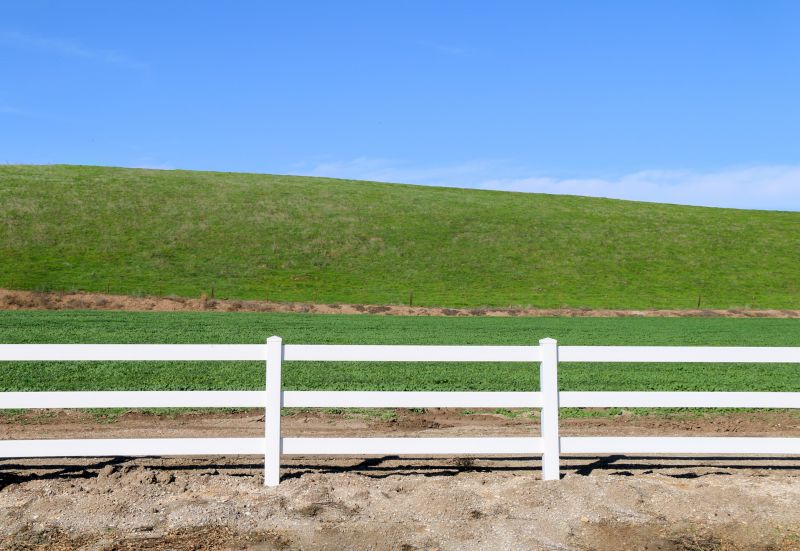
Workers installing livestock fences in spring with lush background and moderate weather.
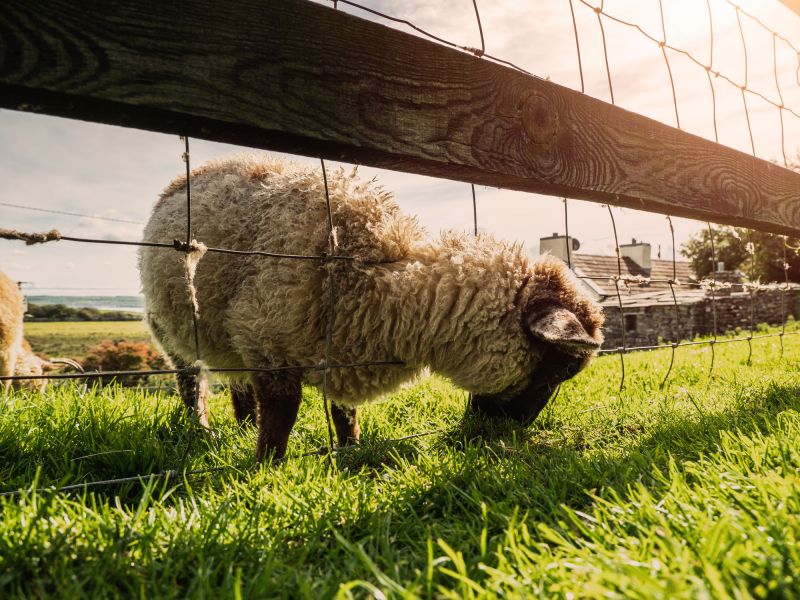
A team working on fencing under bright summer sun, with livestock nearby.
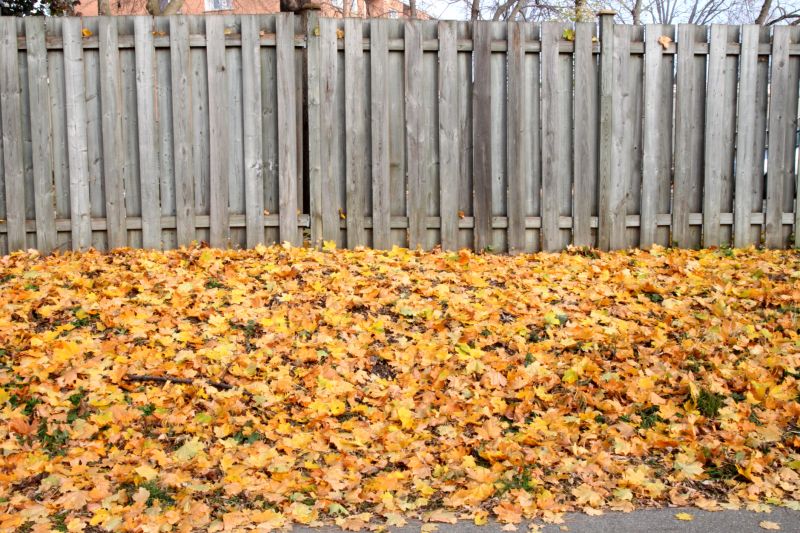
Fencing in autumn with fallen leaves and cooler temperatures.
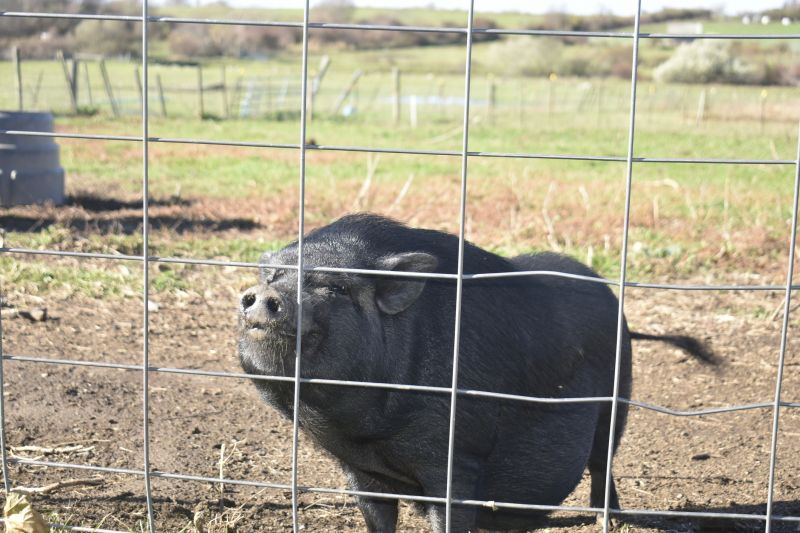
Ways to make Livestock Fence Installations work in tight or awkward layouts.
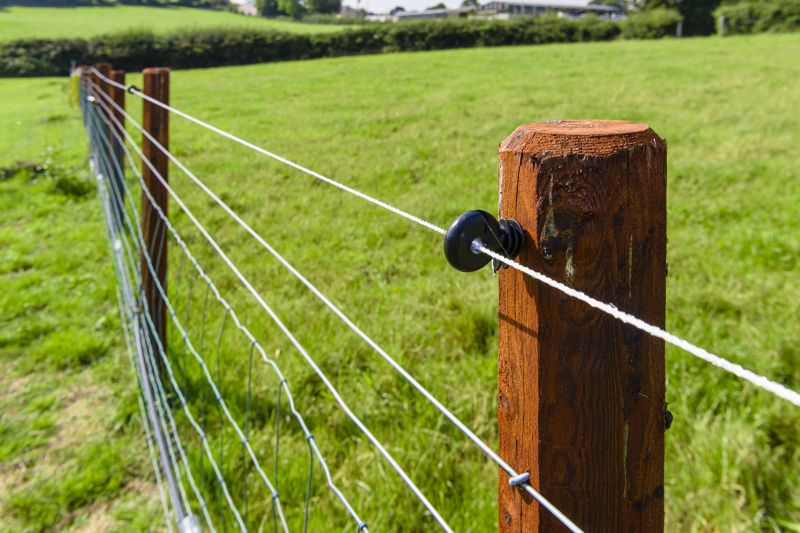
Popular materials for Livestock Fence Installations and why they hold up over time.
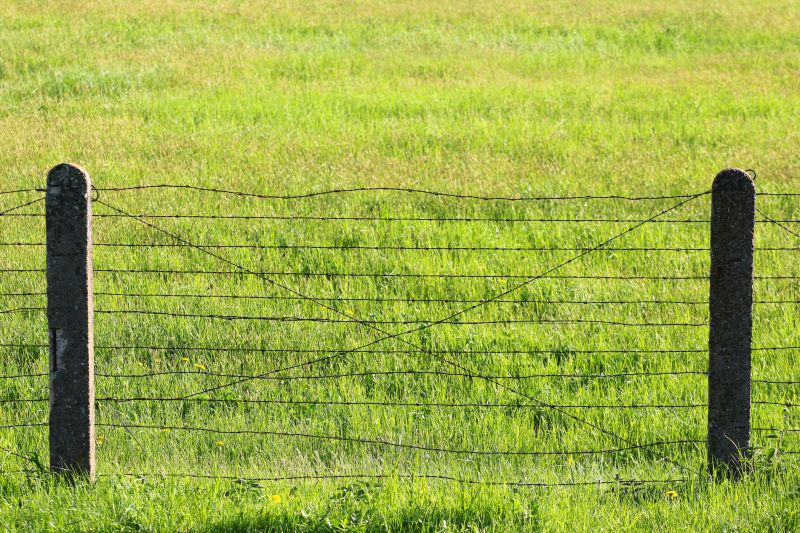
Simple add-ons that improve Livestock Fence Installations without blowing the budget.
| Season | Key Considerations |
|---|---|
| Spring | Moderate weather, softer ground, ideal for installation. |
| Summer | Longer daylight, watch for high temperatures. |
| Fall | Prepares livestock before winter, stable ground. |
| Winter | Challenging due to frozen ground and snow, but sometimes necessary. |
| Optimal Soil Conditions | Loose, moist soil reduces installation difficulty. |
Livestock fence installations require careful planning to align with seasonal conditions. Proper timing ensures that fences are secure, long-lasting, and minimize disruptions to livestock management. Seasonal weather patterns influence ground stability, material handling, and labor efficiency, making timing an essential factor for successful fencing projects.
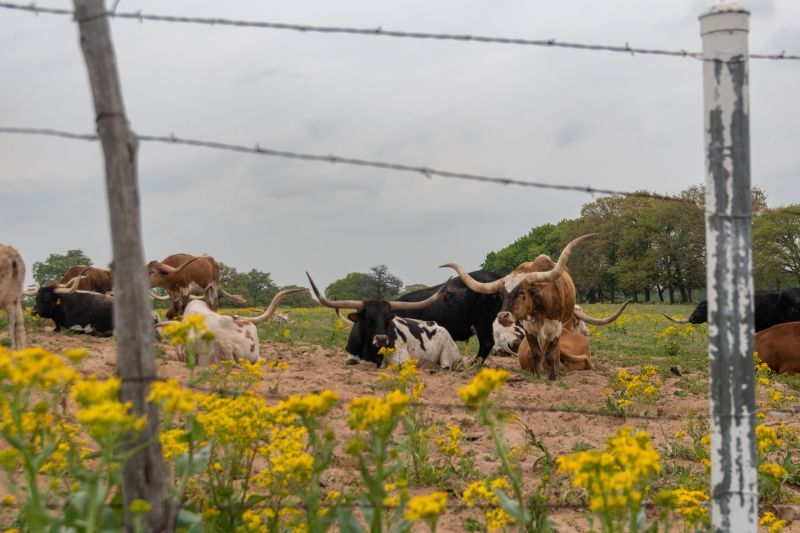
Workers installing fencing with livestock in a lush pasture.
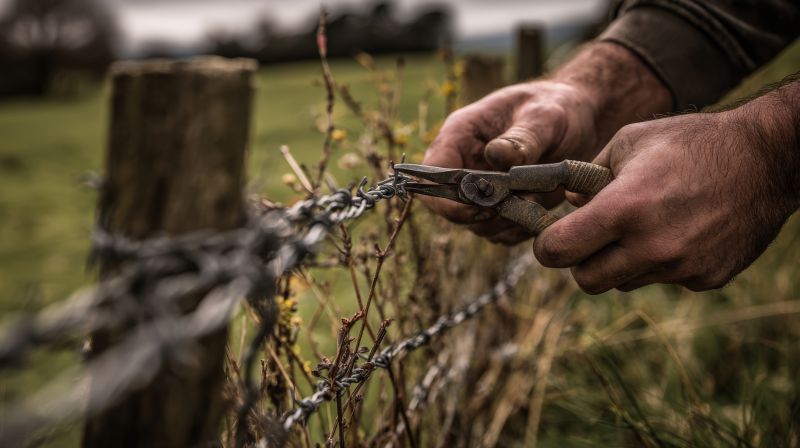
Specialized tools and machinery for livestock fence installation.
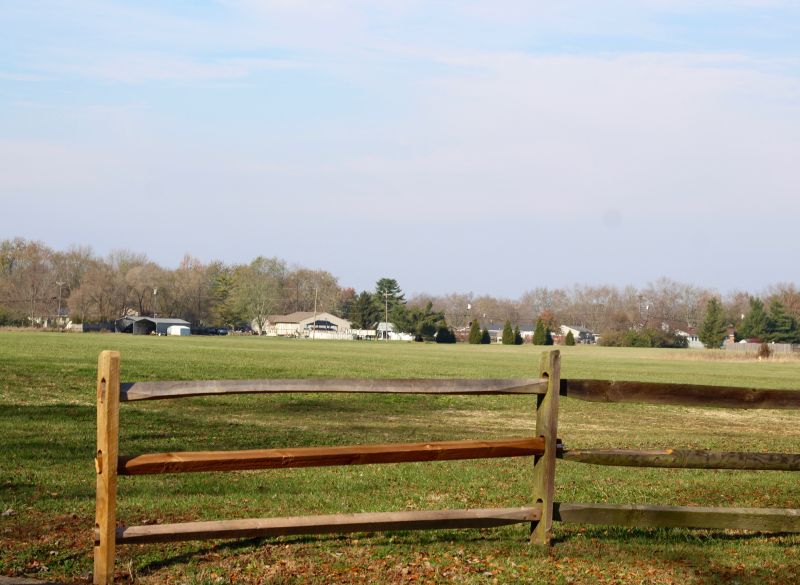
A sturdy, well-constructed livestock fence in a rural setting.
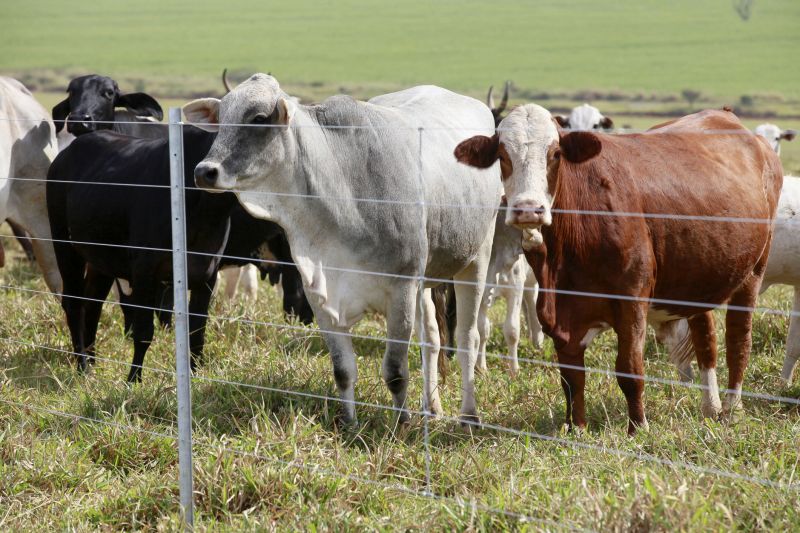
Various fencing materials suitable for livestock enclosures.
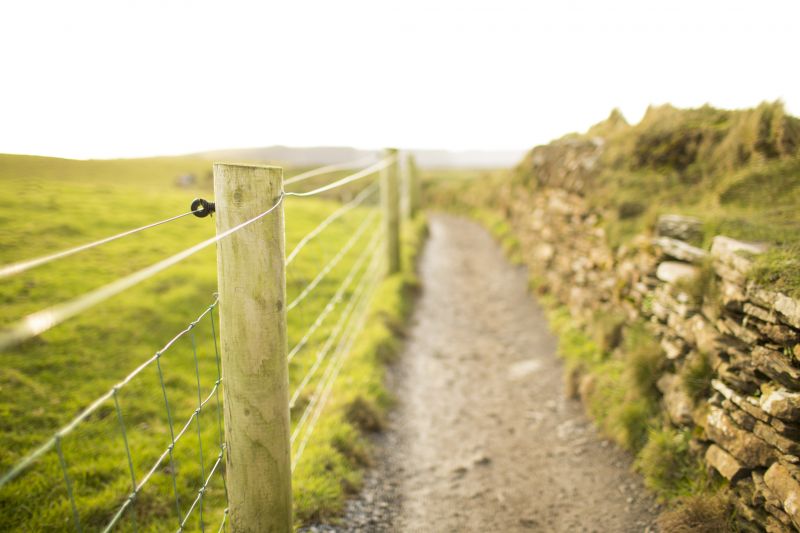
High-end options that actually feel worth it for Livestock Fence Installations.
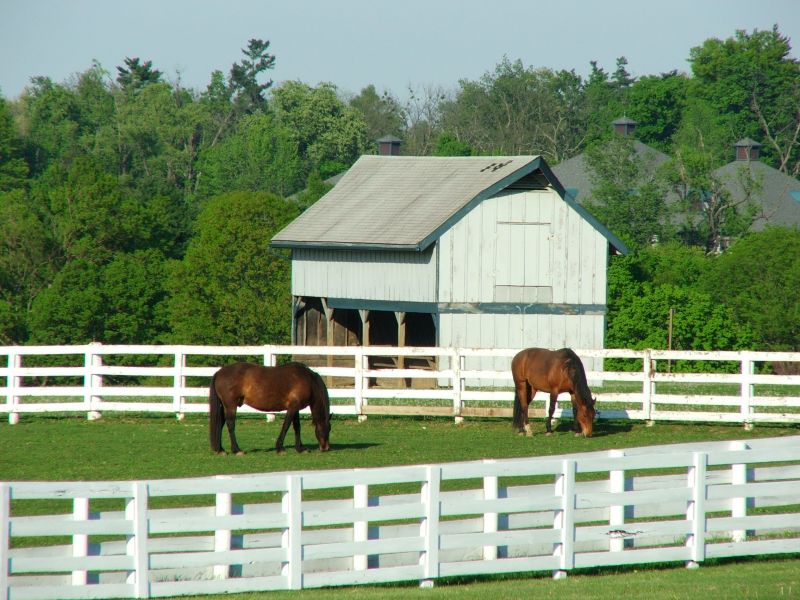
Finishes and colors that play nicely with Livestock Fence Installations.
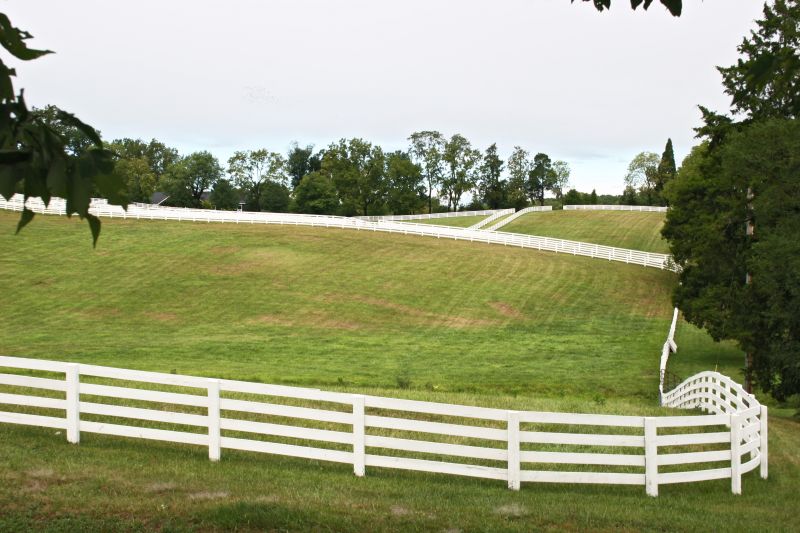
Little measurements that prevent headaches on Livestock Fence Installations day.
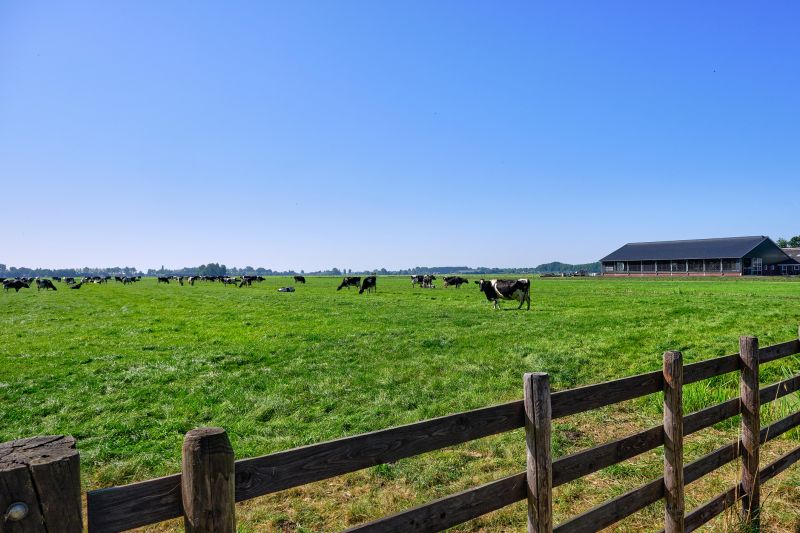
A 60-second routine that keeps Livestock Fence Installations looking new.
Choosing the right time for livestock fence installation can enhance durability and reduce long-term maintenance costs. Properly timed projects ensure fences are installed in optimal ground and weather conditions, contributing to livestock safety and farm efficiency.
Interested in scheduling livestock fence installation? Fill out the contact form to get more information and assistance.